
We hear about Euribor constantly, but what is Euribor and how does it influence our lives? And when we invest in crowdfunding, are we also impacted by Euribor?
What is Euribor
Euribor, or Euro Interbank Offered Rate, is a term frequently used in the media, but not always well understood in its entirety.
Euribor is, in practice, a reference rate that is widely used in the European financial market and that directly influences interest rates in a variety of financial products, from real estate credit to various investment and savings solutions.
Euribor is an average interest rate, calculated based on the rates charged by the main European banks when they lend money to each other. Its variation is daily and is influenced by a series of factors, including the monetary policies of the European Central Bank, the supply and demand for credit in the interbank market and general economic conditions in the Eurozone.
How Euribor is presented and how it varies
There are several Euribor rates, with different maturity terms, which serve as a reference for different financial products and are directly correlated with the average terms of these products. The most common rates are Selic for 1 month, 3 months, 6 months and 12 months. Each of these rates influences borrowing costs and investment returns differently. For example, variable rate mortgage loans are often indexed to Euribor 3 months, 6 months or even 12 months, which means that the value of the installments can vary according to fluctuations in these rates. In this case, the chosen Euribor is related to the frequency of updating the interest rates in force for the following period. Therefore, a loan indexed to Euribor 6 months must maintain the interest rate for a period of 6 months. After this period, the 6-month Euribor is consulted again and a new interest rate is set for the next 6 months.
Euribor also affects the profitability of several investment products. Term deposits, certificates of deposit and investment funds that have their returns indexed, directly or indirectly, to Euribor can offer higher returns when this rate is rising, and vice versa.
Euribor rates can be easily consulted at any time on various specialty websites. You can consult the current Euribor and its history at this link.
Investment Returns in Daskapital
Now, if banks are financed on average at the Euribor value, then this is the reason why the profitability rates on savings products are not very interesting, given that a bank does not need to offer more than that to obtain capital.
What Daskapital proposes is something different! Instead of collecting funds from depositors or other loans and then lending them with a margin to companies, as banks do, at Daskapital it is the investors who keep the margin on the loans granted.
Furthermore, through the investment allocation system, investors define the interest rates to be charged. Each investor directly defines the required return values and therefore, the profitability rates will be substantially more interesting. It is worth remembering that Daskapital suggests, on its platform, minimum return values that investors should demand.
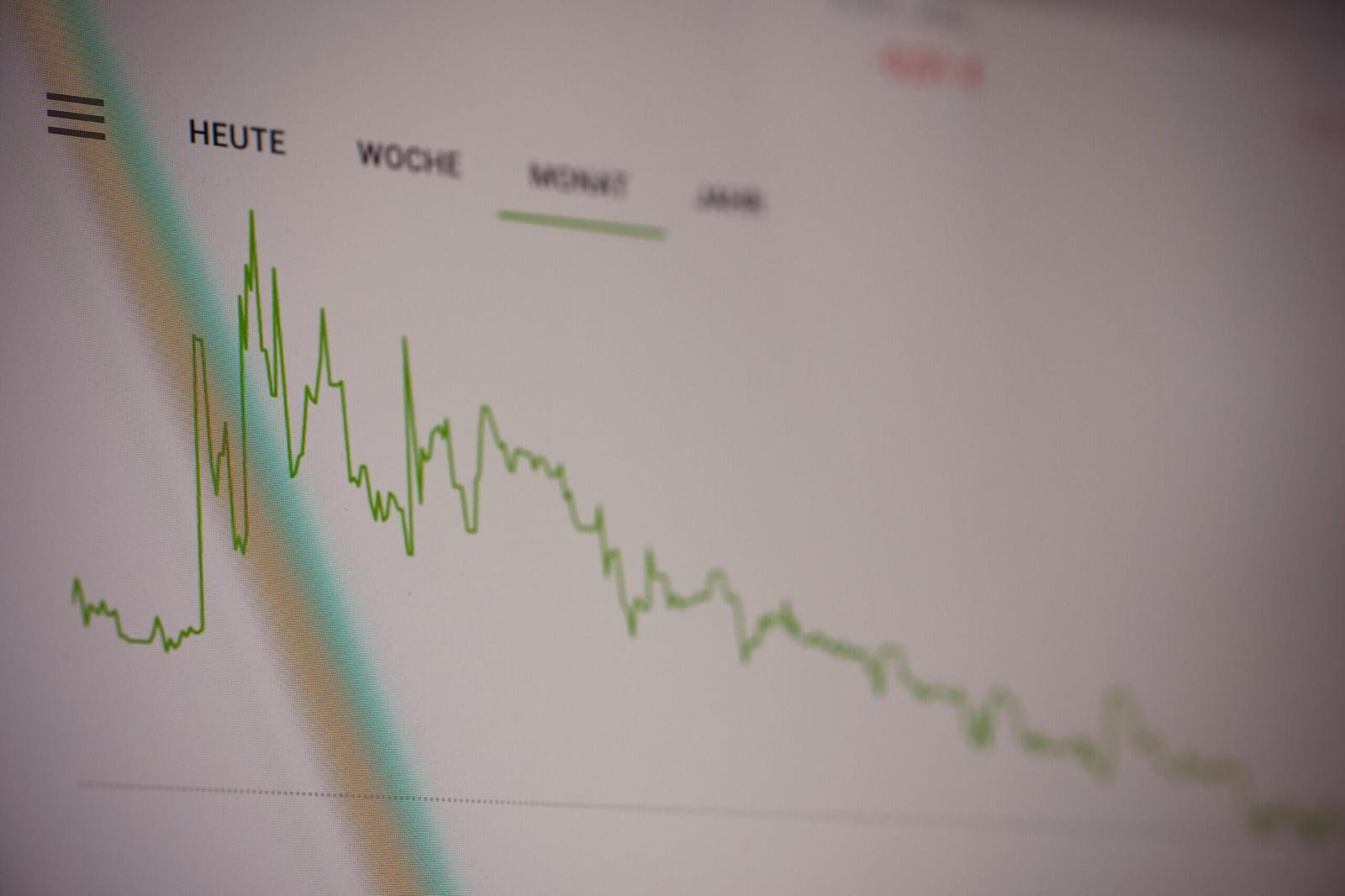
If Euribor rises, will Daskapital returns become less interesting?
No. In fact, an increase in Euribor rates must correspond to a proportional increase in profitability rates at Daskapital.
Indirectly, Euribor rates correspond to changes in the cost of money. Thus, a rise in Euribor rates is also reflected in the returns on various financial products, particularly the financing costs of states that are commonly considered to be risk-free investments..
In its formula for recommending minimum required returns to investors, Daskapital uses the yields on German treasury bonds as a benchmark for a risk-free investment to which it subsequently adds the cost of risk specific to the investment in question. Thus, an increase in the cost of money is immediately reflected in Daskapital's recommendation of minimum returns and at the same time a higher requirement than the interest rate for crowdfunding promoters' financing projects.
Find out more about the investment allocation method at Daskapital by clicking here.
Frequently Asked Questions
Invoice Advance is a crowdfactoring solution for short-term financing that allows companies to anticipate the payment of invoices receivable, obtaining immediate liquidity. Invoice Advance is managed by Daskapital España S.L., a subsidiary of Das Kapital Lda.
In the Invoice Advance collaborative financing model, companies publish the credits they hold on their customers on the Daskapital platform, and investors compete with each other to purchase, at a discount, part or all of the invoice. Through an auction process, they define the amount they wish to invest and the minimum return they require, and companies will be financed by the group of investors demanding the lowest interest rate.
On the invoice due date, the debtors (the company's customers) pay the credit, returning the capital invested to the investors. The profit comes from the difference between the amount invested in the invoice seller and the amount received from the invoice payer, which corresponds to the discount.
Crowdfactoring is a form of collaborative financing in which companies can receive advance payment for receivables owed by their customers through online platforms such as Daskapital.
In this model, investors purchase invoices (partially or in full) at a discount (which translates into a rate of return), advancing their value to companies. This allows companies to quickly obtain the financing they need, while investors earn a financial return by acquiring the right to receive payment of the invoice amount (partial or full) on the due date.
Invoice Advance offers advantages for both investors and companies.
For investors, it allows them to diversify their portfolio with short-term investments and above-average returns, choosing the invoices in which to invest (and the consequent level of risk and maturity) and the minimum rate of return they require, with security and transparency guaranteed by Daskapital, which analyses and verifies the solvency of the payers of the invoices provided by the assignors.
For companies, it guarantees immediate liquidity without resorting to banks, allowing them to finance themselves at even lower interest rates if they are assigning credits on companies with lower risk than themselves, as the associated risk, as perceived by the investor, is that of the invoice debtor.
It can be used by companies as a way to balance the risk level and maturities of their accounts receivable.
Each financing request or investment opportunity is subject to a rigorous risk analysis by Daskapital before being made available on the platform, based on:
- Accounting, financial and commercial data provided by the promoters of the companies;
- Credit information from Iberinform (Atradius Credit and Surety), such as ratios, information on incidents, legal proceedings and other independent data;
- Analytical and statistical models (credit score and limit);
- Document verification and, in some cases, verification of the accuracy of the information provided, among other procedures.
Daskapital requires real and personal guarantees and only publishes projects that meet the minimum criteria for risk and fair profitability. All this information is disclosed and made available in each financing request or investment opportunity.
If you need further clarification, don't hesitate to get in touch with us at support@daskapital.eu.